 Fuel
Fuel 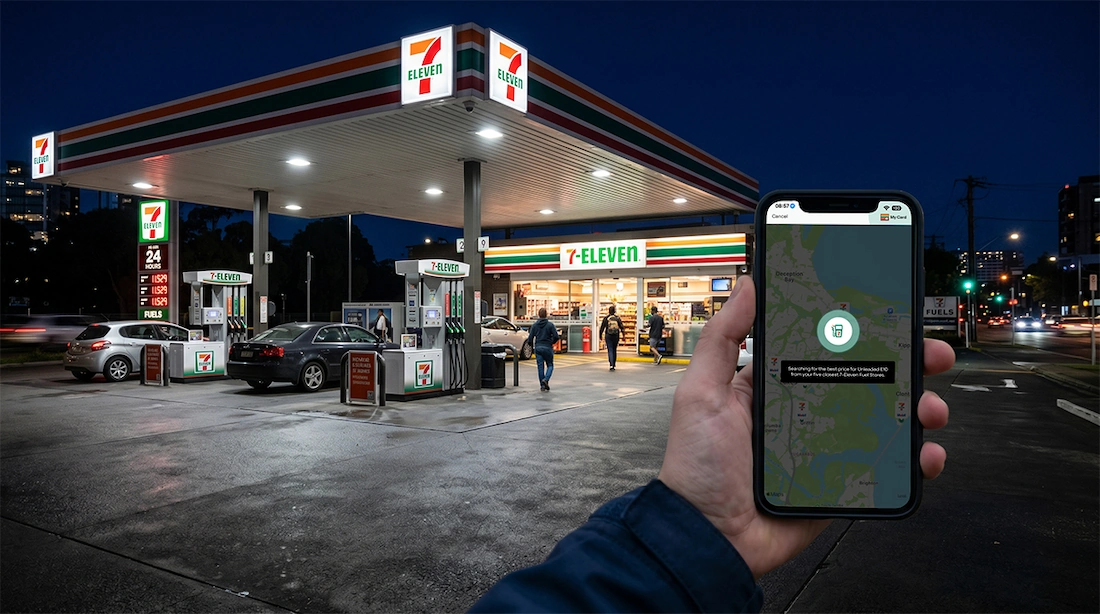
7-Eleven Fuel Lock is a feature in the free 7-Eleven app that lets you grab a low advertised fuel price, hold it for seven days, and pay that locked price at any 7-Eleven store in Australia, for up to 150 litres of that fuel type. So if you spot a cheap price today but your tank is still half full, you can lock it now and fill up later in the week, even if pump prices have climbed back up in the meantime. It is one of the simplest ways to beat the fuel price cycle, and it costs nothing to use.
The catch is small but worth knowing: you can only hold one lock at a time, the lock is tied to one fuel grade, and you have to redeem it at a 7-Eleven. Used well, though, it turns the predictable swings in petrol prices into a savings tool rather than a frustration. Below is exactly how it works, the rules that trip people up, and the timing tactic that makes it genuinely worthwhile.
How 7-Eleven Fuel Lock works
The whole thing runs through the 7-Eleven app, which is free on iOS and Android. Once you sign in and turn on location services, the app shows you the advertised prices at 7-Eleven stores near you. When you see a price you like, you tap to lock it. From that moment you have seven days to use it.
The flow is short:
- Find a low price. Open the app and check the price for your fuel grade (E10, unleaded 91, 95, 98 or diesel) at nearby stores. The app lets you search within a set radius of your location.
- Lock it. Tap the price to lock it. The app holds that exact cents-per-litre figure for that fuel type for seven days.
- Redeem within seven days. Drive to any participating 7-Eleven, fill up, and scan your locked price in the app at the pump or counter. You pay the locked price, not the price on the board.
If the price you locked is lower than the price on the day you fill up, you pocket the difference. If pump prices happen to fall below your locked price, you simply pay the lower board price instead, so locking never costs you more than not locking. The only thing you give up is flexibility, because while a lock is active you cannot start a new one.
The limits and rules to know
Fuel Lock is generous, but it has guardrails. Knowing them up front saves the disappointment of a lock you cannot use.
| Rule | What it means |
|---|---|
| One active lock | You can only hold a single locked price at a time. Use it or let it expire before you can lock another. |
| Seven-day window | The locked price holds for seven days from when you set it. Miss the window and the lock simply lapses. |
| Up to 150 litres | One lock covers up to 150 litres of that fuel, which is plenty for a car and usually enough for a couple of fills. |
| One fuel grade | A lock is tied to the specific grade you chose. An unleaded 91 lock will not cover a diesel fill. |
| Redeem at 7-Eleven | The price is only honoured at participating 7-Eleven fuel sites, not at other brands. |
Because the lock is grade-specific, it pays to know which fuel your car actually needs before you start. If you are weighing up the cheaper option, our breakdown of E10 versus unleaded 91 and the rundown on premium versus regular petrol will help you lock the right grade. Diesel drivers can compare the long-run sums in our diesel versus petrol running costs guide.
The smart tactic: lock at the bottom, redeem on the way up
Fuel Lock is most powerful when you treat it as a hedge against the fuel price cycle. In most Australian capitals, retail petrol prices move in a rough sawtooth: they fall gradually for a stretch, hit a low, then jump sharply before the slow decline starts again. The exact rhythm differs by city, but the shape is consistent.
The play is simple. When prices are near the bottom of that cycle, lock the cheap price. Then redeem it during the days when prices have spiked back up. You are effectively buying a week of bottom-of-cycle fuel even if your timing for actually filling up is messy. If you understand the patterns, the savings can be a useful chunk per tank rather than loose change.
To time it, you need to know where your city sits in its cycle. We cover the rhythms in detail in our guides to the Queensland 42-day fuel cycle and the faster NSW fuel price cycle. If you want the broader principle of when to buy, the best time to buy fuel guide pulls it together, and our piece on why fuel prices vary explains the forces behind the swings.
How to spot the bottom of the cycle
You do not have to guess. The whole point of a price comparison tool is to show you where prices actually are right now, across every brand, not just 7-Eleven. Before you lock anything, check two things on Fuel Daddy.
- The live map. Open the live fuel map to see current prices at thousands of stations near you. If 7-Eleven and the cheap independents are all sitting low, you are probably near the bottom and it is a good time to lock.
- The 14-day trend. Our live price trend charts show the recent direction for your region. If the line has been falling and looks like it is flattening out, the bottom is close. If it has already kicked up, the cheap window may have passed and you might wait for the next dip.
Pairing the trend with the map is the trick. The trend tells you when in the cycle you are; the map tells you which stations are actually cheap on the day. Lock when both agree the price is genuinely low.
Where Fuel Lock fits with everything else
Fuel Lock is one tool, not a whole strategy. It works best alongside the other levers. A locked 7-Eleven price can stack with the usual habits in our save money on fuel guide, and it sits neatly next to supermarket and fuel-brand discounts covered in our fuel loyalty programs rundown. For big fills, members-only sites can undercut the majors, which is the angle in our Costco fuel guide.
It is also a handy planning tool for a trip. If you know you are heading off in a few days and prices are low now, locking your fuel before a long drive removes some of the guesswork, and you can size the cost of the journey with our road trip fuel cost guide. Wherever you are, the state directories make it easy to scan local prices first, whether that is fuel prices across Queensland, New South Wales or Victoria.
Is Fuel Lock worth using?
For most drivers, yes. It is free, it takes seconds, and it never costs you more than you would have paid anyway. The downside is purely the one-lock-at-a-time limit and the need to fill at a 7-Eleven. If a 7-Eleven is on your regular route, it is close to free money during the high part of the cycle.
The honest caveat: a lock is only as good as the price you lock. If you lock a mediocre price out of habit, you save little. The value comes from locking when prices are genuinely at the bottom, which is exactly what the live map and the trend charts are there to tell you. Check first, lock smart, and let the cycle work for you instead of against you.